
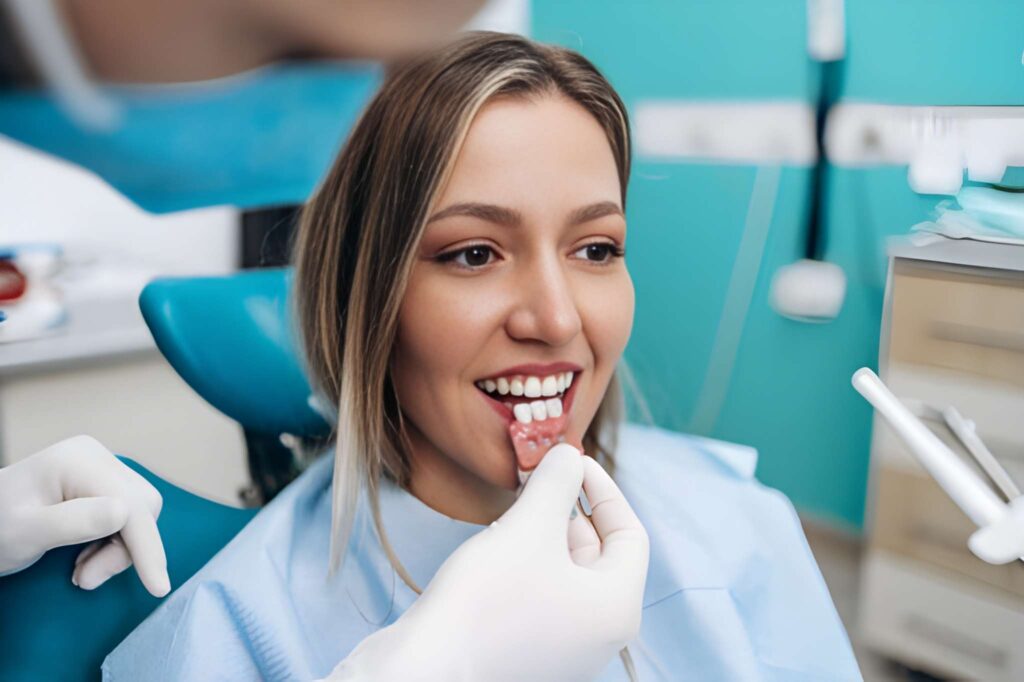
Orthodontic treatment, whether with traditional braces or Invisalign, is a long-term commitment that can be challenging for teens. While the result, a straight, healthy smile, is worth the effort, many teenagers struggle to follow through consistently. Parents and orthodontists often find themselves encouraging proper hygiene, wearing schedules, and regular check-ups.
Motivating teens effectively requires understanding their mindset, creating routines, and emphasizing the benefits in a relatable way. This article explores practical strategies to ensure teens take their orthodontic treatment seriously.
Understanding the Teen Mindset
Teenagers are at a unique stage of life where independence, peer influence, and self-image play significant roles. They may resist instructions from adults or find the idea of wearing braces or Invisalign inconvenient or embarrassing. Recognizing these emotional and psychological factors is the first step in motivating teens.
- Peer Influence: Teens are highly sensitive to how they are perceived by their friends. If they feel braces or Invisalign make them look different, they may avoid wearing them properly.
- Independence: Teens want to feel in control of their choices. Approaches that feel like strict instructions from parents may backfire.
- Immediate Gratification: Orthodontic treatment for adults takes months or years, and teens often struggle to see the long-term benefits.
Understanding these motivations can help parents and orthodontists tailor their communication and guidance.
Setting Clear Expectations
One of the most effective ways to encourage teens is to set clear and realistic expectations. Before starting treatment, discuss the process thoroughly:
- Explain the Timeline: Teens are more likely to follow instructions when they understand how long treatment will take and what milestones to expect.
- Outline Responsibilities: Make it clear what is expected, such as brushing after meals, avoiding certain foods, and wearing Invisalign aligners for the recommended hours.
- Discuss Consequences: Explain what could happen if they don’t follow the rules, longer treatment times, additional costs, or compromised results.
Making It a Shared Goal
Rather than dictating what they must do, involve teens in the process. Make orthodontic treatment a shared goal:
- Set Achievable Milestones: Celebrate progress with small rewards when they complete check-ups or wear their aligners consistently.
- Visual Tracking: Charts or apps can help teens see their progress, making the abstract idea of a straighter smile tangible.
- Encourage Self-Motivation: Ask teens how they would like to stay on track, whether through reminders, apps, or daily routines.
Choosing the Right Treatment Option
Giving teens a choice between braces and Invisalign can improve their commitment. While traditional braces are highly effective, Invisalign offers flexibility and discretion, which may appeal to self-conscious teens.
- Invisalign for Teens: Many prefer Invisalign due to its clear appearance and removability. Teens in Logan, Utah, can find reputable providers for Invisalign, such as those listed under the best Invisalign Logan Utah, ensuring they receive proper guidance and support.
- Traditional Braces: Braces remain highly effective and require less self-discipline than removable aligners. Teens in Providence can access top orthodontic services, including braces in Providence, Utah, to receive expert care.
- Adult-Friendly Options: Some families may explore orthodontics for adults alongside teen care, ensuring treatment options align with family needs and schedules.
Educating About Oral Hygiene
One of the biggest challenges during orthodontic treatment is maintaining proper oral hygiene. Teenagers may not realize that brushing, flossing, and cleaning aligners or braces are crucial for preventing cavities, gum disease, and staining.
- Teach Proper Techniques: Demonstrate how to brush and floss effectively around braces or use cleaning solutions for Invisalign.
- Use Visual Aids: Apps or videos can show the effects of neglecting oral hygiene, helping teens understand the importance of consistency.
- Incentivize Good Habits: Rewarding proper care reinforces positive behavior, such as offering privileges for maintaining good oral health routines.
Leveraging Technology and Apps
Teens respond well to technology, which can be a powerful motivator for consistent treatment. Many orthodontic offices provide apps to track aligner wear or send reminders for appointments.
- Reminders: Set notifications for brushing, aligner wear, and flossing.
- Progress Tracking: Visual progress charts help teens see how their smile is transforming over time.
- Engagement Tools: Games or challenges offered by apps can turn routine tasks into a fun activity.
Addressing Emotional Concerns
Braces or Invisalign can affect a teen’s self-esteem. Parents and orthodontists can proactively address these concerns:
- Normalize the Experience: Share stories of peers who have completed orthodontic treatment.
- Positive Reinforcement: Compliment improvements and progress to boost confidence.
- Peer Support: Some orthodontic offices offer group sessions or social media groups where teens can share experiences and tips.
Encouraging Responsibility Through Autonomy
Teens are more likely to stick to treatment when they feel responsible for their own outcomes. Strategies include:
- Let Them Track Their Progress: Encourage teens to log wear time for Invisalign or monitor their oral hygiene routine.
- Give Ownership of Appointments: Allow them to schedule and attend appointments independently when appropriate.
- Set Goals Together: Collaborate on realistic targets and let them take ownership of meeting them.
Working With Orthodontists Effectively
Regular communication between parents, teens, and orthodontists ensures treatment stays on track. At TFO Braces, teens are more likely to follow instructions when they trust their orthodontist and clearly understand the professional guidance provided.
- Build a Rapport: Encourage your teen to communicate openly with the orthodontist in Providence, Utah.
- Educational Visits: Ask the orthodontist to explain the importance of adherence during appointments.
- Highlight Expert Advice: Teens may take guidance more seriously when it comes from a professional rather than a parent.
Handling Setbacks Positively
Slips in adherence, such as forgetting to wear aligners or breaking braces, can happen. Responding positively encourages continued commitment:
- Avoid Punishment: Focus on problem-solving rather than punishment.
- Review Strategies: Discuss ways to prevent repeat issues, such as keeping a spare aligner case or adjusting routines.
- Reinforce Goals: Remind teens of the long-term benefits of completing treatment successfully.
Celebrating Success and the Final Outcome
Finally, celebrating milestones and the completion of treatment reinforces the importance of their efforts. Positive recognition strengthens their sense of accomplishment and motivates adherence to future responsibilities.
- Smile Reveal: Organize a small celebration once treatment is complete.
- Reward System: Offer incentives or recognition for consistent wear and maintenance.
- Encourage Testimonials: Allow teens to share their journey, inspiring peers and reinforcing their commitment.
Start your teen’s confident smile journey today! Contact our experienced orthodontic team to learn how expert guidance and the right treatment plan can make orthodontic care stress-free and successful.
Conclusion
Motivating teens to take their braces or Invisalign treatment seriously is a multifaceted approach that combines understanding, communication, education, and positive reinforcement. By addressing their emotional needs, involving them in decisions, and leveraging technology, parents and orthodontists can encourage teens to adhere to treatment. With proper guidance, teens will not only maintain good habits but will also enjoy the reward of a healthy, confident smile.
FAQs
1. How can I encourage my teen to wear their Invisalign properly?
Set clear expectations, track progress with apps, and celebrate milestones to make wearing aligners a positive experience.
2. Are there teen-friendly alternatives to braces?
Yes, Invisalign offers a clear, removable option that many teens find more appealing and discreet.
3. What should I do if my teen resists brushing with braces?
Teach proper techniques, use visual aids, and create a reward system to reinforce good oral hygiene habits.
4. How long does orthodontic treatment usually take for teens?
Treatment typically ranges from 12 to 36 months, depending on complexity, type of braces, and adherence.
5. Where can I find the best orthodontic care in Logan or Providence, Utah?
Look for reputable providers offering Invisalign best Invisalign braces in Providence.