
The right time for orthodontic treatment depends on more than age alone. Every child develops differently, and the ideal time to begin braces depends on tooth eruption, jaw growth, bite development, and specific orthodontic concerns. For many children, an orthodontic evaluation around age 7 can help identify developing problems, even though treatment with braces may not begin until several years later.
Parents often wonder whether they should wait until all permanent teeth have erupted or start treatment earlier. In reality, there is no single age that works for everyone. Some children benefit from early intervention, while others can wait until their early teenage years.
Understanding the different stages of orthodontic development can help families make a more informed treatment decision.
What Is the Best Age for Braces?
For many children, the most common age to begin braces is between 9 and 14. However, the exact timing depends on the child’s individual dental development.
By the early teenage years, many permanent teeth have erupted. At the same time, children may still have some jaw growth remaining. This combination can make orthodontic treatment effective for a wide range of bite and alignment problems.
Braces Around Ages 9 to 11
Some children may benefit from treatment before their teenage years, particularly when a significant orthodontic problem is already developing.
Early treatment can sometimes address jaw-related concerns, create space for permanent teeth, or correct certain bite problems. Depending on the condition, an orthodontist may use appliances before conventional braces or recommend a two-phase treatment plan.
Two-phase treatment generally consists of an early phase followed by a later phase once more permanent teeth have erupted.
Not every child needs this approach. Starting too early without a specific reason can sometimes mean a longer overall treatment period.
Braces Around Ages 11 to 14
The early teenage years are a common time for traditional orthodontic treatment. Most permanent teeth have erupted, making it easier to address crowding, spacing, crooked teeth, and bite alignment.
This is also an age when many children are comfortable with the idea of braces because orthodontic treatment is common among their peers.
For parents researching braces for kids, the most important consideration is not simply whether their child has reached a certain birthday. The orthodontist should assess the child’s teeth, bite, jaw development, and overall oral health before recommending treatment.
How Long Do Braces Usually Take?
Treatment time varies significantly between patients. Many people wear braces for roughly 18 to 24 months, but some cases are shorter or longer.
The complexity of the problem is one of the biggest factors. A child with minor spacing may require less time than someone with significant crowding or a complex bite issue.
Patient cooperation also matters. Missing appointments, repeatedly damaging brackets, or failing to follow instructions can interfere with treatment progress.
Oral hygiene is another important consideration. Keeping the teeth and braces clean helps reduce the risk of cavities, gum problems, and treatment complications.
What About Adults?
Orthodontic treatment is not limited to children. Adults can also benefit from treatment when teeth are crowded, spaced, crooked, or affected by bite problems.
Some adults did not receive orthodontic treatment as children, while others notice their teeth shifting years after previous treatment.
Adult treatment may involve traditional braces or clear aligners, depending on the condition being treated.
In fact, orthodontics for adults has become increasingly common as more people recognize that orthodontic care can improve both dental function and appearance.
Why Timing Should Be Personalized
There is no universal “perfect age” for braces.
Age ranges provide useful guidance, but dental development differs from one child to another. One child may need early intervention, while another may be better suited for treatment at 12 or 13.
The best approach is to monitor development and obtain professional guidance when appropriate.
An early evaluation can identify problems before they become more complicated, while regular monitoring can help determine when treatment is most likely to be effective.
For families considering Providence orthodontist services, the important question is not simply, “How old is my child?” It is, “What is happening with my child’s teeth and jaw development right now?”
What Happens During the First Orthodontic Evaluation?
The first appointment is generally focused on understanding the child’s current dental development.
The orthodontic team may examine the teeth, bite, jaw relationship, facial development, and oral habits. Depending on the situation, photographs or dental X-rays may also be recommended.
The orthodontist will then discuss whether treatment is needed, whether it should begin immediately, or whether the child should return for monitoring.
What About Clear Aligners for Older Children and Teens?
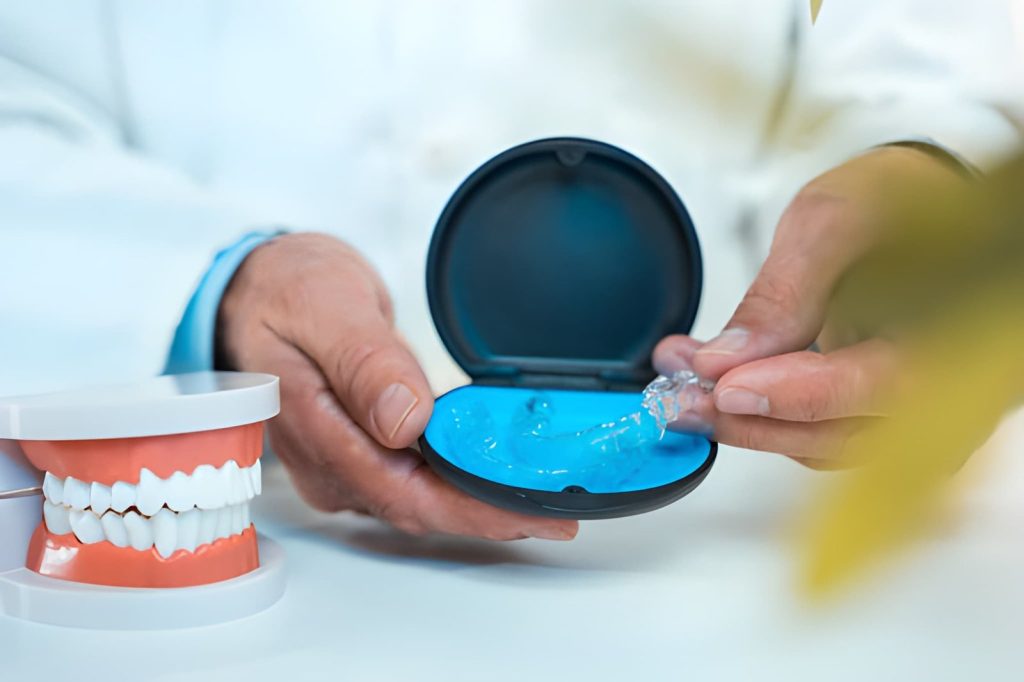
Clear aligners are another option for certain orthodontic patients. They use a series of removable trays to gradually move teeth into planned positions.
They can be appealing to teenagers and adults because they are less noticeable than conventional braces.
However, clear aligners are not automatically better than braces. They are most effective when used for cases that are appropriate for this type of treatment and when patients wear them according to their orthodontist’s instructions.
Younger children may also have difficulty remembering to wear and care for removable aligners. This is why maturity and treatment compliance are important factors when considering them.
Ready to explore your child’s orthodontic options? Visit the Contact page to learn more and request an orthodontic consultation.
Final Thoughts
For many children, braces are most commonly started between ages 9 and 14, but the ideal timing depends on individual development. An orthodontic evaluation around age 7 can help identify potential concerns and determine whether monitoring or early intervention is appropriate.
Starting too early is not always necessary, and waiting is not always the best choice. The right timing depends on the child’s teeth, bite, jaw growth, oral health, and specific orthodontic needs.
Whether treatment involves traditional braces, clear aligners, or another orthodontic appliance, a personalized treatment plan provides the best foundation for achieving healthy, functional results.
Frequently Asked Questions
1. What is the ideal age for a child to get braces?
Many children begin braces between ages 9 and 14, but there is no universal age. The ideal timing depends on tooth eruption, jaw growth, bite development, and the specific orthodontic problem.
2. Should my child see an orthodontist at age 7?
An evaluation around age 7 is recommended because an orthodontist can identify developing issues early. It does not mean that braces need to be placed at that age.
3. Is it too late to get braces as a teenager?
No. Teenagers are among the most common orthodontic patients, and many orthodontic problems can be effectively treated during the teenage years.
4. Can adults get braces?
Yes. Adults can receive orthodontic treatment for many of the same alignment and bite concerns treated in younger patients. The appropriate treatment method depends on individual dental and oral health.
5. How long do children usually wear braces?
Treatment commonly lasts around 18 to 24 months, although the actual duration depends on the complexity of the case, treatment response, and how well the patient follows orthodontic instructions.