
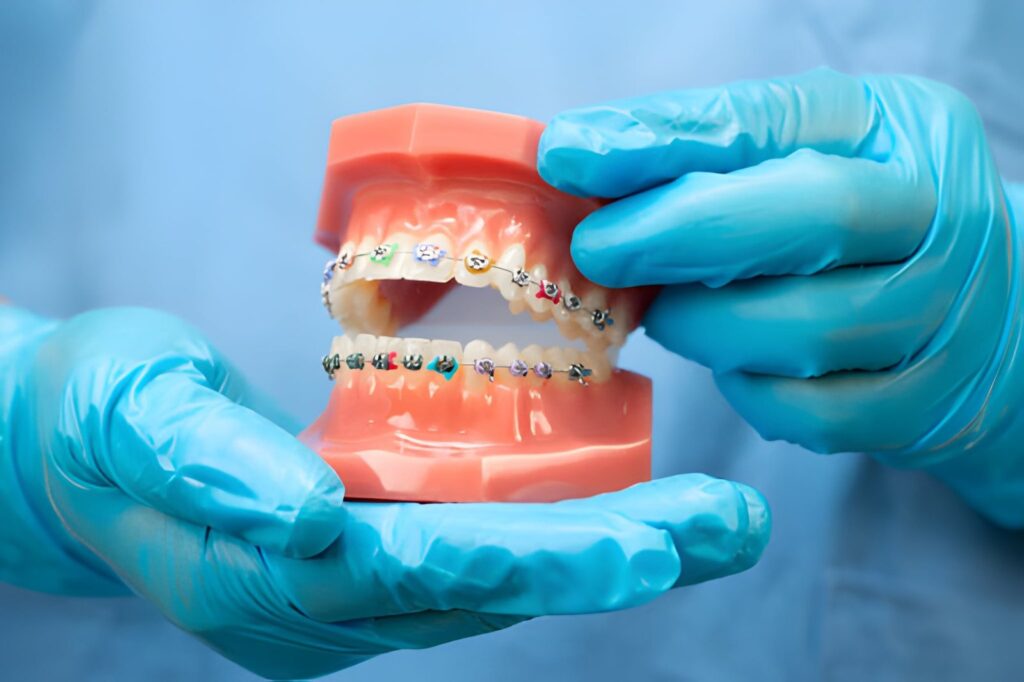
Early orthodontic treatment can play an important role in monitoring and managing the development of a child’s teeth and jaws. While many children do not need immediate orthodontic treatment, an early evaluation can help identify potential concerns before they become more complicated.
The American Association of Orthodontists recommends that children have their first orthodontic check-up by age seven. At this stage, children typically have a combination of baby and permanent teeth, allowing an orthodontist to evaluate developing alignment, bite relationships, and jaw growth.
An early evaluation does not necessarily mean a child will need braces right away. In many cases, the orthodontist may simply recommend monitoring the child’s development and returning for an evaluation at an appropriate time.
For parents looking for a family orthodontist, understanding the potential benefits of early orthodontic evaluation can help them make informed decisions about their child’s dental development.
What Is Early Orthodontic Treatment?
Early orthodontic treatment, sometimes called Phase One treatment, is orthodontic care that begins while a child still has some primary teeth.
The purpose is not necessarily to complete all orthodontic treatment at a young age. Instead, early treatment may address specific developmental concerns, create a more favorable environment for permanent teeth, or guide jaw and dental development.
Some children may benefit from treatment at an early age, while others may simply need observation until they are older.
The decision depends on factors such as:
- The child’s dental development
- Jaw growth
- Tooth eruption patterns
- Crowding or spacing
- Bite problems
- Oral habits
- The position of permanent teeth
- The severity of the developing concern
An orthodontist can determine whether early intervention is appropriate after evaluating the child’s individual circumstances.
Why Is Age Seven an Important Time for an Orthodontic Evaluation?
Around age seven, many children have a mixture of primary and permanent teeth. This transitional stage can give an orthodontist useful information about how the child’s teeth and jaws are developing.
Some orthodontic concerns may become easier to identify at this stage, including crossbites, significant crowding, and certain bite abnormalities.
An early evaluation can also help parents understand whether their child needs treatment, monitoring, or no orthodontic intervention at that time.
Importantly, an evaluation at age seven is not a recommendation that every child should receive braces. The purpose is to identify potential concerns and determine the appropriate timing of care.
Wondering whether your child could benefit from an early orthodontic evaluation? Schedule a consultation with an orthodontic professional to discuss your child’s developing teeth, bite, and jaw.
Benefit 1: Identifying Developing Problems Early
One of the primary benefits of an early orthodontic evaluation is the opportunity to identify developing issues.
Crowding, spacing, crossbite, underbite, and other alignment concerns may become more noticeable as permanent teeth erupt. Monitoring these changes can help an orthodontist determine whether intervention could be beneficial.
Early identification also gives parents time to understand their child’s condition and consider treatment options without feeling rushed.
Benefit 2: Guiding Jaw Development
In certain cases, early treatment may help address issues related to jaw development.
Children’s jaws are still growing, which can provide orthodontists with opportunities to address specific developmental concerns during growth.
Depending on the child’s condition, treatment may involve an orthodontic appliance designed to influence the relationship between the upper and lower jaws or create additional space for developing permanent teeth.
Not every child requires this type of intervention. An orthodontist will evaluate growth patterns and determine whether treatment is appropriate.
Benefit 3: Creating Space for Permanent Teeth
Some children have insufficient space for permanent teeth to erupt properly. This can contribute to crowding or cause teeth to become impacted.
When appropriate, early orthodontic treatment may help create or preserve space for permanent teeth.
The goal is not always to eliminate the need for future orthodontic treatment. Instead, early intervention may make later treatment more manageable in certain cases.
Benefit 4: Addressing Bite Problems
A healthy bite involves the upper and lower teeth fitting together appropriately.
Children may develop bite concerns such as:
- Crossbite
- Underbite
- Excessive overbite
- Open bite
- Significant tooth-to-tooth interference
Some bite issues may benefit from early attention, particularly when they are associated with jaw growth or abnormal tooth positioning.
Addressing certain concerns while a child is developing may help support healthier dental function.
Benefit 5: Reducing the Risk of Dental Trauma
Protruding front teeth can be more vulnerable to accidental injury.
For some children, orthodontic treatment may help reposition prominent teeth and reduce their exposure to trauma.
Whether early treatment is appropriate depends on the child’s specific dental and facial development. Parents should discuss the potential benefits and limitations with an orthodontist before making a treatment decision.
Benefit 6: Improving Oral Hygiene in Crowded Areas
Crowded or overlapping teeth can make brushing and flossing more difficult.
When teeth are difficult to clean, plaque may accumulate in areas that are harder to reach. Over time, this can contribute to oral health problems.
Orthodontic treatment does not replace good oral hygiene, but improving tooth alignment may make certain areas easier to access.
Children receiving orthodontic treatment should continue regular dental visits and maintain appropriate brushing and flossing habits.
Benefit 7: Monitoring Permanent Tooth Eruption
Permanent teeth generally follow specific eruption patterns. Sometimes, however, a permanent tooth may have difficulty erupting because of crowding, lack of space, or an unusual position.
Regular orthodontic monitoring can help identify these situations.
An orthodontist may use dental imaging when appropriate to evaluate the position of unerupted teeth and determine whether intervention is necessary.
Early identification can give the orthodontist more options for managing certain eruption problems.
Early Orthodontic Care and Clear Aligners
Clear aligners are commonly associated with teenagers and adults, but treatment options vary according to age and individual orthodontic needs.
Families researching perfect Invisalign in Logan, Utah may want to discuss whether clear aligner treatment is appropriate for their child rather than assuming that aligners are suitable for every case.
Similarly, parents searching for best Invisalign options should focus on a comprehensive orthodontic evaluation and treatment plan rather than choosing a provider based solely on the type of appliance offered.
For some children, traditional orthodontic appliances may be more appropriate than clear aligners.
Does Every Child Need Early Orthodontic Treatment?
No. An early orthodontic evaluation does not mean that every child needs treatment.
Some children have healthy dental and jaw development and may not need orthodontic intervention until their permanent teeth have erupted.
Others may have mild concerns that can simply be monitored.
Early treatment is generally considered when an orthodontist identifies a specific developmental issue where intervention may provide a meaningful benefit.
This is why an evaluation is more important than assuming treatment is necessary based solely on a child’s age or appearance.
What Happens During an Early Orthodontic Evaluation?
An initial orthodontic evaluation may include an examination of the child’s teeth, bite, jaw development, and facial structure.
The orthodontist may also review dental records or use digital imaging when clinically appropriate.
Parents may receive one of several recommendations:
- No treatment is needed.
- The child’s development should be monitored.
- Early treatment is recommended.
- Treatment should begin later when more permanent teeth have erupted.
The recommended approach will depend on the child’s individual needs.
How Long Does Early Treatment Take?
Treatment duration varies considerably.
Some early interventions may last several months, while others may take longer depending on the problem being addressed.
Children who undergo Phase One treatment may also require a later phase of orthodontic treatment after more permanent teeth erupt.
Parents should ask about the expected treatment timeline, the purpose of the early phase, and whether additional treatment may be recommended in the future.
What About Orthodontic Treatment for Adults?
Early orthodontic treatment focuses on children, but orthodontic care is available at many stages of life.
Adults may seek treatment for tooth crowding, spacing, bite concerns, or changes that have developed after previous orthodontic treatment.
People researching orthodontics for adults can discuss braces, clear aligners, and other treatment options during an individual consultation.
Although adults are no longer experiencing childhood jaw growth, orthodontic treatment can still move teeth and address many alignment concerns when appropriate.
Choosing an Orthodontist for Your Child
Selecting the right provider is an important part of the process.
Parents considering orthodontics can evaluate practices based on factors such as:
- Orthodontic qualifications and experience
- Experience treating children
- Available treatment options
- Communication with parents and children
- Appointment scheduling
- Technology used for diagnosis and treatment planning
- Treatment costs and payment options
- Follow-up and retention care
A child-friendly environment can also make orthodontic visits more comfortable and help children develop a positive attitude toward dental care.
If you are searching for an orthodontist, families can consult scheduling an initial evaluation to help you understand the practice’s approach before committing to treatment.
How Parents Can Support Early Orthodontic Treatment
Parents play an important role in successful orthodontic care.
Children may need reminders to:
- Brush carefully around orthodontic appliances.
- Floss according to their orthodontist’s instructions.
- Wear appliances as directed.
- Avoid foods that could damage braces.
- Attend scheduled appointments.
- Report broken or uncomfortable appliances.
- Follow instructions for retainers or other devices.
Parents should also encourage children to ask questions. Understanding why treatment is necessary can help children participate more actively in their care.
Final Thoughts
Early orthodontic treatment can provide several potential benefits when it is recommended for a child’s specific needs. Early evaluation can help identify developing alignment and bite concerns, monitor jaw growth, assess permanent tooth eruption, and determine whether intervention may be helpful.
However, not every child needs early treatment. Some children may simply require observation until they are older, while others may benefit from treatment during their growth years.
Frequently Asked Questions
1. What is early orthodontic treatment?
Early orthodontic treatment, often called Phase One treatment, addresses certain dental or jaw-development concerns while a child still has some primary teeth. It may help guide tooth eruption, jaw development, or create space for permanent teeth.
2. At what age should a child see an orthodontist?
The American Association of Orthodontists recommends that children have their first orthodontic evaluation by age seven. This does not mean every child needs treatment at that age; the orthodontist may recommend monitoring instead.
3. What are the benefits of early orthodontic treatment?
Potential benefits include identifying developing orthodontic problems early, guiding jaw development, creating space for permanent teeth, addressing certain bite problems, reducing the risk of dental trauma, and monitoring permanent tooth eruption.
4. Does every child need early orthodontic treatment?
No. Some children have normal dental and jaw development and may not need orthodontic treatment until their permanent teeth have erupted. An orthodontic evaluation helps determine whether treatment, monitoring, or no intervention is appropriate.
5. Can early orthodontic treatment prevent braces later?
Early treatment does not always eliminate the need for future orthodontic treatment. In some cases, however, it may make later treatment more manageable by addressing specific developmental concerns early.
6. How long does early orthodontic treatment take?
Treatment duration varies depending on the child’s condition and the type of treatment needed. Some early interventions may take several months, while others may require a longer period. The orthodontist can provide an individualized estimate after an evaluation.