
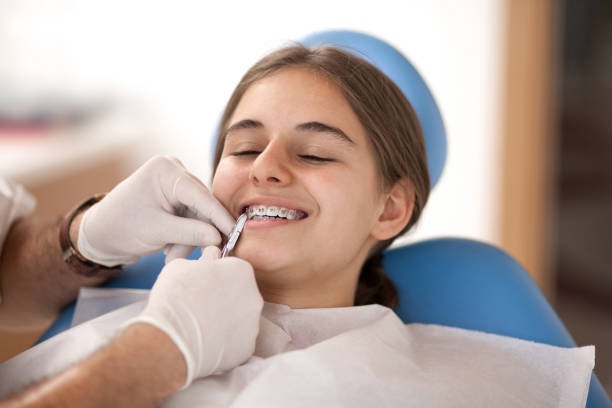
Getting braces is an important step toward a healthier, more confident smile. For teenagers, orthodontic treatment can correct crowded teeth, close gaps, improve bite alignment, and address other dental concerns. However, one of the first questions teens and parents often ask is: How long will the treatment take?
The answer depends on several factors, including the severity of the alignment problem, the type of braces, the teenager’s age and dental development, and how consistently treatment instructions are followed. Some cases may be completed in a relatively short period, while more complicated bite or alignment problems can require longer treatment.
Understanding the expected timeline can help families prepare for appointments, daily care, and the adjustments that come with wearing braces. It is also important to remember that every smile is different, so an orthodontist must evaluate the teeth and bite before providing an individualized estimate.
1. What Is the Average Treatment Time for Teenagers?
For many teenagers, comprehensive braces treatment takes approximately 18 to 24 months. However, this is only a general estimate. Some straightforward cases may take less time, while complex orthodontic problems may require two years or longer.
The overall braces treatment time depends on how much tooth movement is needed and whether the treatment involves correcting the bite in addition to straightening individual teeth.
For example, a teenager with mild crowding may need a shorter treatment period than someone with severe crowding, rotated teeth, or a significant overbite. Jaw relationships and the position of unerupted or impacted teeth can also influence the treatment plan.
An orthodontist will examine the teenager’s teeth, gums, bite, and jaw alignment before estimating how long braces may be needed. X-rays, photographs, and digital scans may also be used to develop a more accurate plan.
It is helpful to view the estimated duration as a treatment range rather than a guaranteed completion date. Tooth movement is a biological process, and the response varies between individuals.
2. What Factors Affect How Long Braces Take?
Several factors influence how quickly orthodontic treatment progresses. Understanding them can help teenagers and parents recognize why one person’s treatment may take longer than another’s.
Severity of Dental Problems
The amount and complexity of tooth movement are among the most important factors.
Mild spacing or crowding may require relatively simple corrections. More complex cases involving severe rotations, overlapping teeth, large gaps, or significant bite problems generally require additional planning and treatment.
Bite Alignment
Braces do more than straighten visible teeth. They can also correct how the upper and lower teeth meet.
Conditions such as overbite, underbite, crossbite, and open bite may require additional tooth movement or appliances. Correcting these relationships can extend the overall treatment period.
Age and Dental Development
Teenagers are often suitable candidates for orthodontic treatment because many permanent teeth have erupted and the jaws may still be developing. Growth can sometimes be considered when planning treatment for certain bite or jaw concerns.
However, being a teenager does not automatically mean treatment will be faster. The condition of the teeth, jaw relationships, and individual response to orthodontic forces remain important.
3. Different Stages of Braces Treatment
Orthodontic treatment usually follows several stages. Each stage has a specific purpose, and the time spent in each one depends on the teenager’s individual needs.
Stage 1: Initial Consultation and Planning
The process begins with an orthodontic examination. The orthodontist checks tooth alignment, bite relationships, jaw development, and overall oral health.
Dental X-rays, photographs, and digital scans may be taken to understand the position of the teeth and plan the necessary movements. The orthodontist then discusses the recommended appliance, estimated duration, appointment schedule, and treatment costs.
Stage 2: Braces Placement
Once the treatment plan is finalized, the braces are fitted. Brackets are attached to the teeth, and an orthodontic wire is placed through them to apply controlled pressure.
The appointment generally takes around one to two hours, depending on the type of appliance and the complexity of the case.
Some tenderness or pressure is normal during the first few days as the teeth begin adjusting. This discomfort usually improves as the teenager becomes accustomed to the braces.
Stage 3: Regular Adjustments
After braces are fitted, the teenager attends periodic appointments so the orthodontist can monitor progress and make necessary adjustments.
Appointments are commonly scheduled every four to eight weeks, although the interval depends on the appliance and treatment plan. During these visits, the orthodontist checks tooth movement, evaluates bite changes, and adjusts wires or other components when needed.
4. Do Different Types of Braces Take Different Amounts of Time?
The type of orthodontic appliance can influence the treatment process, but no option is automatically faster for every teenager.
Traditional Metal Braces
Metal braces are widely used because they can address many types of alignment and bite problems. They consist of metal brackets and wires that gradually guide teeth into their planned positions.
They are suitable for a broad range of orthodontic cases, including more complex corrections. Their effectiveness depends on the treatment plan, regular adjustments, and proper care.
Ceramic Braces
Ceramic braces work similarly to traditional metal braces but use tooth-coloured or clear brackets. Some teenagers prefer them because they are less noticeable.
They may be suitable for many of the same alignment concerns, although the orthodontist will determine whether they are appropriate for the individual case.
Clear Aligners
Clear aligners use a series of removable trays to move teeth gradually. They are often appealing to teenagers who prefer a less noticeable option.
However, aligners need to be worn for the recommended number of hours each day. Not wearing them consistently can interrupt tooth movement and extend treatment.
Families researching Invisalign Logan, Utah, or comparing providers advertising the best Invisalign Logan, Utah, should ask whether aligners are appropriate for the teenager’s specific bite and alignment concerns. The treatment choice should be based on clinical needs, not just appearance or convenience.
5. Can Missed Appointments Make Braces Take Longer?
Yes. Missing or frequently rescheduling orthodontic appointments can delay treatment.
Regular visits allow the orthodontist to check whether teeth are moving as expected and make adjustments when necessary. If appointments are missed, the treatment plan may not progress according to the original schedule.
Teenagers should attend appointments as recommended and inform the practice as early as possible if they need to reschedule.
Broken brackets and loose wires can also interrupt treatment. Although these problems are not always avoidable, they should be reported promptly so the orthodontist can decide whether a repair appointment is needed.
CTA 2: Help your teenager stay on track by keeping orthodontic appointments consistent and following the care instructions provided. If a bracket becomes loose or an appliance is damaged, contact the orthodontic office rather than waiting until the next scheduled visit.
6. How Can Teenagers Help Keep Treatment on Schedule?
Teenagers can influence their treatment progress through everyday habits. Following the orthodontist’s instructions helps protect the braces and reduces the risk of avoidable delays.
Maintain Good Oral Hygiene
Food particles and plaque can collect around brackets and wires. If they are not removed properly, they may contribute to cavities, gum inflammation, and white spots on the teeth.
Teenagers should brush carefully after meals when possible, use a toothbrush designed for braces if recommended, and clean between teeth with suitable flossing tools. Regular dental check-ups and professional cleanings are also important.
Avoid Foods That Can Damage Braces
Hard, sticky, and chewy foods can damage brackets or wires. Teenagers may need to avoid foods such as hard sweets, chewing gum, popcorn kernels, and very hard nuts.
Some foods can still be enjoyed by cutting them into smaller pieces. Following the orthodontist’s dietary advice helps reduce the chances of unexpected repairs.
Wear Elastics as Directed
Some teenagers need rubber bands, also called elastics, to help correct their bite. These apply additional forces between the upper and lower teeth.
If elastics are prescribed, they should be worn exactly as instructed. Wearing them inconsistently or changing the arrangement without guidance can affect treatment progress.
Protect Braces During Sports
Teenagers who play contact sports should ask their orthodontist about wearing a suitable mouthguard. A properly fitted mouthguard can help protect the teeth, lips, and braces from injury.
7. What Happens If Treatment Takes Longer Than Expected?
It is possible for orthodontic treatment to take longer than the original estimate. This does not necessarily mean something has gone wrong.
Teeth do not always move at exactly the expected rate. Some may respond more slowly, while other movements may require additional adjustments to achieve a stable bite. Common reasons for delays include:
- Missed or postponed adjustment appointments.
- Broken brackets or damaged wires.
- Inconsistent use of prescribed elastics.
- Poor oral hygiene that requires additional dental care.
- More complex tooth movement than initially anticipated.
- Changes in the treatment plan after progress is reviewed.
If treatment is taking longer than expected, parents and teenagers should ask the orthodontist to explain the reason. The practice can review progress, discuss any remaining corrections, and provide an updated estimate.
It is important not to rush treatment simply to meet an original deadline. Moving teeth too quickly or ignoring necessary corrections can compromise the quality and stability of the result.
8. Do Children With Baby Teeth Need to Wait for Braces?
Not always. Some children may receive early orthodontic treatment while they still have a combination of baby teeth and permanent teeth. This is sometimes called Phase 1 or interceptive treatment.
For example, an orthodontist may recommend early intervention for certain crossbites, significant crowding, or developing jaw problems. However, many children do not need braces until more permanent teeth have erupted.
The presence of braces with baby teeth is therefore not unusual in selected treatment plans, but it does not mean every child should begin orthodontic treatment early.
The American Association of Orthodontists recommends an initial orthodontic check-up by age seven. This allows an orthodontist to identify developing concerns and determine whether treatment is needed now or later.
9. What Happens After Braces Are Removed?
After braces are removed, teenagers usually receive retainers to help maintain their new tooth positions.
Teeth can naturally shift after orthodontic treatment. Retainers help stabilize them while the surrounding bone and tissues adapt to the corrected alignment.
Depending on the treatment plan, the orthodontist may recommend removable retainers, fixed retainers, or a combination of both.
Teenagers should follow the prescribed wearing schedule. Some retainers need to be worn full-time initially and then at night, while others may follow a different schedule.
10. Is Braces Treatment Only for Teenagers?
No. Orthodontic treatment can benefit people at different ages. While teenagers often begin treatment during a period when many permanent teeth have erupted, adults can also improve tooth alignment and bite function.
Treatment options may include traditional braces, ceramic braces, or clear aligners, depending on the individual’s dental condition. Adult treatment may require additional planning if there are existing dental restorations, gum concerns, or missing teeth.
This is why orthodontics for adults is also an important part of modern orthodontic care. The treatment timeline varies according to the complexity of the case, oral health, and the type of correction required.
Ready to discuss your teenager’s orthodontic needs? Visit our Contact page to learn about its orthodontic team, schedule a consultation, and get a personalized treatment plan.
Conclusion: Every Teenager’s Braces Timeline Is Different
For many teenagers, braces treatment takes around 18 to 24 months, but the exact duration depends on the alignment problem, bite condition, appliance type, and response to treatment.
Regular appointments, good oral hygiene, following instructions, and protecting braces from damage can help avoid unnecessary delays. Retainers after treatment are equally important for maintaining the final results.
The best way to understand how long your teenager will need braces is to arrange an orthodontic evaluation. A professional can assess the teeth and bite, explain suitable treatment options, and provide a realistic timeline based on individual needs.
Frequently Asked Questions
1. How long do teenagers usually have to wear braces?
Most teenagers wear braces for approximately 18 to 24 months. However, treatment may take less time for minor alignment issues or longer for complex bite problems, severe crowding, or significant tooth movement.
2. Can braces work faster for teenagers than adults?
Teenagers may benefit from orthodontic treatment while their jaws are still developing. However, braces do not always work faster for teenagers. Treatment duration depends on dental development, the complexity of the problem, and how well the teeth respond to treatment.
3. What can delay braces treatment for teenagers?
Missed orthodontic appointments, broken brackets, inconsistent use of rubber bands, poor oral hygiene, and complex tooth movements can extend treatment time. Following the orthodontist’s instructions can help prevent avoidable delays.
4. Are clear aligners faster than traditional braces for teens?
Not necessarily. Clear aligners and traditional braces can both provide effective results, but treatment time depends on the orthodontic condition being corrected. Aligners also require consistent daily wear to keep treatment on schedule.
5. How often should teenagers visit the orthodontist during braces treatment?
Teenagers commonly visit their orthodontist every four to eight weeks for adjustments and progress checks. The exact appointment schedule depends on the type of braces and individual treatment plan.
6. How long do teenagers need to wear retainers after braces?
Retainers are necessary after braces to help prevent teeth from shifting back toward their previous positions. The wearing schedule varies, but many orthodontists recommend long-term or lifelong nighttime retainer use to maintain results.