
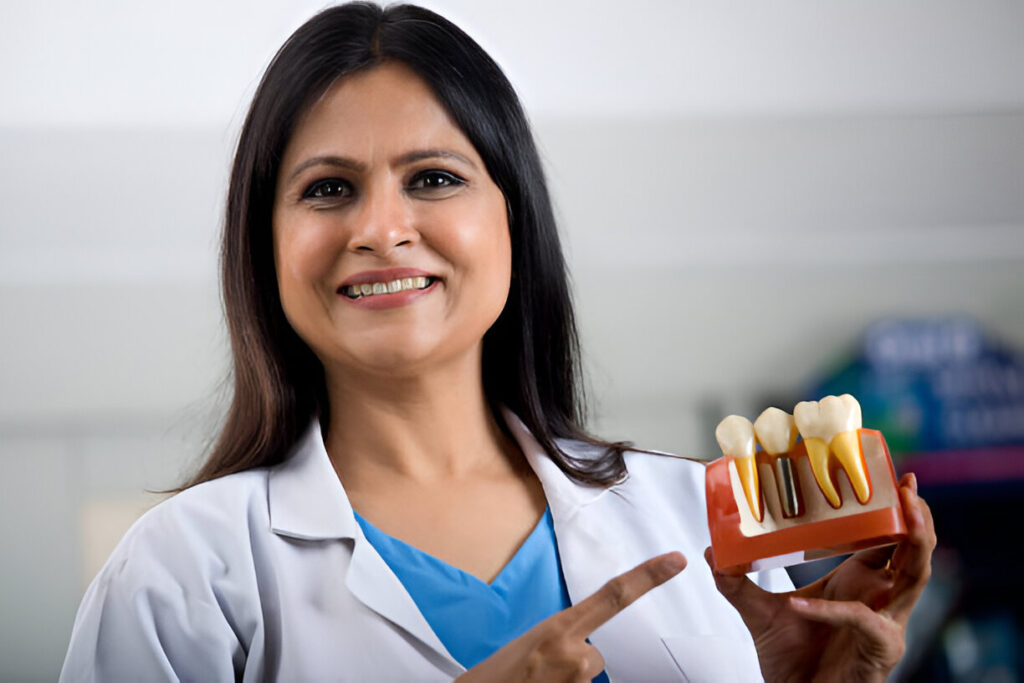
Orthodontic treatment has become an essential part of children’s and teenagers’ oral health journeys. For many families in North Logan, Utah, orthodontists are not only dental specialists but also guides in ensuring that young patients develop properly aligned teeth, healthy jaws, and improved self-confidence.
While parents often associate orthodontics with braces, the field is much broader. Today’s Utah orthodontists offer a wide range of options, including Invisalign in Logan, Utah, early intervention therapies, and even orthodontics for adults. With advances in technology, treatment is now more comfortable and accessible than ever before. For more information about braces, Invisalign, and family orthodontics in Utah, visit TFO Braces.
This article explores how North Logan, Utah, orthodontists and nearby Providence orthodontists help children and teens achieve healthier smiles. We’ll cover when to visit, what treatments are available, how orthodontics supports development, and why family orthodontics benefits the entire household.
The Role of an Orthodontist in Childhood and Teenage Years
Orthodontics is a specialized branch of dentistry that focuses on diagnosing, preventing, and treating dental and facial irregularities. While orthodontic treatment is often associated with braces, it plays a crucial role in the early development of a child’s mouth, jaw, and teeth. The role of an orthodontist during childhood and teenage years is multifaceted and can have lasting effects on both oral health and self-esteem. Below is an in-depth look at how an orthodontist contributes to a child’s dental health during these formative years.
1. Early Assessment and Intervention
The American Association of Orthodontists recommends that children have their first orthodontic evaluation by age 7. This early assessment is crucial because, by this age, an orthodontist can detect issues with tooth alignment, bite problems, and skeletal development before they become more complicated.
- Detection of Bite Issues (Malocclusions): Problems like overbite, underbite, crossbite, or open bite can be detected early. By identifying these issues early, orthodontists can plan interventions that may prevent more extensive treatment later.
- Monitoring Growth and Development: During childhood and adolescence, the bones in the face and jaw are still growing. An orthodontist can monitor these developments to ensure the teeth and jaws align properly as growth continues. If there’s a risk of a misaligned jaw, early intervention with appliances like expanders or headgear can help guide proper development.
2. Interceptive Treatment
Interceptive orthodontic treatment is designed to address developing issues before they become more difficult or expensive to treat. This type of treatment is often initiated between the ages of 7 and 10.
- Expansion of the Jaw: If the upper jaw is too narrow, an orthodontist can use a palate expander to widen it, creating enough space for permanent teeth. This is crucial to avoid crowding or the need for tooth extraction later.
- Guiding Eruption of Teeth: When the permanent teeth begin to come in, orthodontists can help guide them into the correct position to avoid misalignment. For example, if a child has missing teeth, space maintainers can be used to keep the surrounding teeth from shifting into that space prematurely.
3. Braces and Alignment
The most common reason for seeing an orthodontist in the teenage years is the need for braces. Teenagers, typically between the ages of 11 and 16, are prime candidates for this treatment as their teeth are still in the process of developing, but their adult teeth have come in.
- Braces for Straightening Teeth: Braces consist of metal brackets, wires, and bands that apply gentle pressure to align the teeth over time. Teenagers often undergo this treatment to correct overcrowding, gapped teeth, crooked teeth, and bite irregularities.
- Clear Aligners: An alternative to traditional braces, clear aligners like Invisalign are gaining popularity, especially among teenagers who are self-conscious about wearing braces. These clear, removable aligners gradually move teeth into the correct position.
4. Improving Facial Aesthetics and Function
Beyond improving oral health, orthodontists play a significant role in enhancing facial aesthetics, which is particularly important for teenagers navigating social pressures related to their appearance.
- Enhancing Self-Esteem: Straightening teeth and correcting bite issues can boost a teenager’s confidence. The visible improvements in a teen’s smile and facial appearance can have a positive impact on their self-esteem, especially during the formative years of adolescence.
- Improving Function: Orthodontics isn’t just about appearance; it’s also about function. Proper alignment of the teeth and jaws ensures that the bite is correct, making eating, speaking, and even breathing easier. A misaligned bite can contribute to issues like jaw pain, headaches, and difficulty chewing.
5. Preventing Future Dental Problems
Orthodontics for adults helps prevent a range of future dental and health problems. Misaligned teeth or jaws can cause issues such as tooth wear, gum disease, and even temporomandibular joint (TMJ) disorders.
- Reducing Risk of Tooth Decay and Gum Disease: Misaligned teeth can make it harder to brush and floss properly, increasing the risk of cavities and gum disease. By correcting alignment issues, orthodontics helps improve oral hygiene and reduces these risks.
- Reducing Jaw Pain: A poor bite or misalignment of the jaw can contribute to jaw pain, headaches, and even TMJ disorders. Orthodontic treatment addresses these issues, helping to relieve discomfort and improve overall health.
6. Retention and Long-Term Care
Once the orthodontic treatment is complete, maintaining the results is essential. For most children and teens, this involves the use of retainers to ensure the teeth stay in their corrected positions.
- Use of Retainers: After braces or aligners are removed, retainers are used to keep the teeth in place while the bones and tissues adapt to the new alignment. Orthodontists monitor this phase closely to ensure the results are stable and long-lasting.
- Regular Check-ups: Even after treatment ends, orthodontists often schedule follow-up appointments to make sure the teeth remain aligned and there are no new issues with jaw growth or tooth movement.
7. Role in Preventing and Addressing Habits
Many children develop habits that can affect the development of their teeth and jaws, such as thumb-sucking or prolonged use of pacifiers.
- Correcting Habits: If a child continues to suck their thumb past a certain age, it can cause teeth to become misaligned. Orthodontists may recommend appliances to help break this habit, which can prevent long-term damage to the teeth and jaw.
Why Kids and Teens Benefit Most
Children and teens are at an ideal stage for orthodontics because their jaws and teeth are still growing. This means treatment can guide natural development, making it easier to correct problems early.
For example, a Providence orthodontist may use braces or growth appliances to encourage proper jaw alignment in a child. In teens, braces or Invisalign are often used to complete alignment and achieve a lasting smile.
When Should a Child Visit an Orthodontist?
The Recommended First Visit
The American Association of Orthodontists recommends that children see an orthodontist by age 7. At this stage, orthodontists can evaluate how permanent teeth are coming in and whether early treatment is needed.
Warning Signs Parents Should Watch For
- Crowded or crooked teeth
- Thumb-sucking habits that continue after age 5
- Difficulty chewing or biting
- Teeth that meet abnormally or don’t meet at all
- Jaw shifting or clicking sounds
- Speech difficulties linked to bite problems
Parents in North Logan, Utah, and nearby Providence often schedule evaluations at this age to catch problems early, saving time and cost later.
Treatment Options for Children and Teens
Traditional Braces
Braces remain the most common orthodontic treatment. They use brackets and wires to gradually move teeth into alignment.
Types available in Utah include:
- Metal braces: Durable and effective, suitable for complex cases.
- Ceramic braces: Tooth-colored for a less noticeable appearance.
- Self-ligating braces: Use clips instead of rubber bands to reduce friction and may shorten treatment times.
Families looking for braces in Providence or affordable braces in Providence, UT, ah often consider these options.
Invisalign for Teens
For teenagers who want a discreet alternative, Invisalign in Logan, Utah, has become a popular choice. Clear aligners are removable, nearly invisible, and designed for comfort.
Advantages of Invisalign for teens include:
- No food restrictions (aligners can be removed for eating)
- Easier brushing and flossing compared to braces
- Less irritation to cheeks and gums
- Fewer orthodontic office visits
Many families consider it the best Invisalign in Logan, Utah, because it fits seamlessly into a teen’s lifestyle.
Interceptive Orthodontics
For younger children, orthodontists may recommend early intervention or Phase I treatment. This can involve using expanders or partial braces to guide jaw development and prevent more severe misalignments later.
This proactive approach is a cornerstone of family orthodontics in Utah, where the goal is to minimize future treatment.
Stages of Orthodontic Treatment for Young Patients
Orthodontic care for children and teens typically progresses in stages:
- Evaluation Stage – The orthodontist examines the child’s bite, jaw growth, and permanent teeth development.
- Early Intervention (if needed) – Appliances may be used between ages 7–10 to guide jaw growth.
- Comprehensive Treatment – Usually between ages 11–14, when most permanent teeth have erupted, braces or Invisalign are applied.
- Retention Stage – After active treatment, retainers are used to maintain results.
Understanding these stages helps parents set realistic expectations about time, cost, and outcomes.
Lifestyle Adjustments During Treatment
Children and teens may need to make small lifestyle changes during orthodontic treatment:
- Dietary adjustments: Hard candies, popcorn, and sticky foods should be avoided with braces to prevent damage.
- Oral hygiene: Daily brushing and flossing become even more important to avoid plaque buildup.
- Sports safety: Mouthguards are recommended for active kids wearing braces.
- Routine checkups: Regular visits ensure progress is on track and adjustments are made as needed.
With Invisalign, many restrictions are minimized, but compliance, wearing aligners 20–22 hours daily, is essential for success.
How Orthodontic Care Supports Healthy Development
Orthodontic treatment contributes to overall well-being, not just aesthetics.
Oral Health Benefits
Straight teeth are easier to brush and floss, lowering the risk of cavities and gum disease.
Functional Improvements
Correct alignment improves chewing efficiency and reduces jaw strain.
Speech Development
Misaligned teeth and jaws can interfere with speech clarity. Orthodontics helps improve pronunciation and confidence in communication.
Emotional and Social Confidence
Teenagers often feel more comfortable smiling and engaging socially once alignment issues are corrected.
For families in North Logan and Providence, these benefits highlight the importance of timely orthodontic care.
Orthodontics for Adults: A Growing Trend
Although this article focuses on children and teens, it’s important to mention that many adults in Utah now seek orthodontic treatment.
Reasons adults choose orthodontics:
- Untreated alignment issues from childhood
- Relapse after not wearing retainers
- Desire for improved confidence later in life
While treatment may take slightly longer for adults due to fully developed jaws, both braces and Invisalign remain effective.
Family Orthodontics in Utah
One advantage for families in North Logan, Providence, and Logan, Utah is the availability of family orthodontics. These practices treat children, teens, and adults, providing convenience and continuity of care.
Benefits include:
- All family members receive care under one roof
- Coordinated appointments save time
- Familiarity with the orthodontist builds trust for children
Cost Considerations for Parents
Cost is a major concern for parents. Treatment costs vary by case complexity and appliance type.
- Braces in Providence are generally the most cost-effective option.
- Affordable braces in Providence, Utah, are often available through payment plans.
- Invisalign in Logan, Utah, tends to cost slightly more but offers lifestyle advantages.
Discussing options with a Providence orthodontist or a North Logan, Utah orthodontist helps families make informed financial decisions.
Choosing the Right Orthodontist
When selecting a provider, families should consider:
- Training and board certification
- Experience treating children and teens
- Range of services offered (braces, Invisalign, early treatment)
- Payment flexibility and insurance acceptance
- Patient-centered approach with clear communication
A skilled Utah orthodontist ensures that children receive treatment tailored to their specific needs. Schedule a consultation today and give your child the confident, healthy smile they deserve!
Conclusion
Orthodontists in North Logan, Utah, and surrounding areas such as Providence and Logan provide essential care for children and teens. With a range of options from traditional braces to Invisalign, families can select treatments that align with their needs, budgets, and lifestyles.
Early evaluations and family-focused orthodontic practices ensure that children grow into confident, healthy smiles. Whether through braces, Invisalign, or early intervention, a trusted Utah orthodontist can guide young patients toward lifelong oral health.
FAQs
Are braces or Invisalign better for teenagers?
Braces are best for complex cases, while Invisalign is ideal for teens seeking a more discreet option.
How long does orthodontic treatment last for teens?
Most treatments last between 18–24 months, depending on the complexity of the case.
Are braces expensive in Providence and North Logan?
Costs vary, but families can find affordable braces in Providence, Utah, with flexible payment options.
Can adults also benefit from orthodontics?
Yes. Orthodontics for adults is common, and many adults achieve excellent results with braces or Invisalign.