
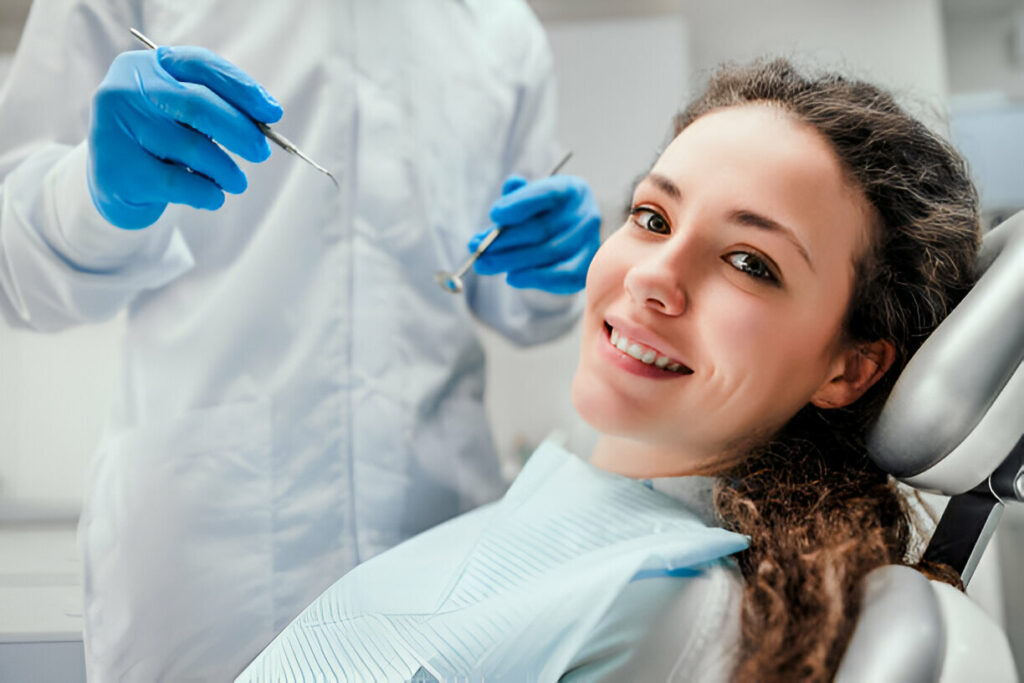
When it comes to your child’s smile, timing matters. Many parents in Logan wonder whether they should wait until all permanent teeth have erupted before scheduling an orthodontic visit. Others assume braces are only for teenagers. The truth is, early evaluation can prevent more complex problems later, and orthodontic care isn’t just for kids. In fact, modern orthodontics for adults is more popular than ever.
Understanding the right age for a first visit, nd what happens during that visit can help you make confident decisions about your child’s oral health.
What an Orthodontist Looks for During an Early Visit
During your child’s first orthodontic appointment, the provider evaluates:
- Jaw alignment and growth
- Crowding or spacing issues
- Overbite, underbite, or crossbite
- Thumb-sucking effects
- Speech or chewing difficulties
Parents in Logan and nearby communities such as Providence often explore options like orthodontics in Providence, Utah, or braces providence utah when they want care closer to home. Whether you’re searching for orthodontics providence or consulting an orthodontist providence utah specialist, the goal remains the same: identifying concerns early for easier correction.
Why Age 7 Is the Recommended Starting Point
The American Association of Orthodontists recommends that children have their first orthodontic evaluation by age seven. That may seem young, especially if baby teeth are still present. However, this stage of development allows orthodontists to spot subtle jaw growth concerns and emerging alignment issues.
By age seven:
- The first permanent molars usually erupt.
- Front permanent teeth begin coming in.
- Bite patterns become easier to assess.
- Jaw growth direction can be evaluated.
An early evaluation doesn’t always mean early treatment. In many cases, the orthodontist simply monitors development and determines the ideal time to begin treatment.
Signs Your Child May Need Orthodontic Care Earlier
While age seven is a general guideline, certain signs may warrant an earlier visit:
- Early or late loss of baby teeth
- Difficulty biting or chewing
- Mouth breathing
- Jaw shifting or clicking
- Teeth that don’t meet properly
- Crowded or protruding teeth
If you notice these signs, scheduling an evaluation with an orthodontist in Providence or a Logan-based provider can prevent more extensive treatment later.
The Benefits of Early Orthodontic Treatment (Phase I)
Not all children need early intervention, but when they do, Phase I treatment can provide significant benefits:
- Guides jaw growth
- Reduces the risk of trauma to protruding front teeth
- Creates space for crowded teeth
- Improves facial symmetry
- Lowers the likelihood of tooth extractions later
Interceptive treatment can shorten or simplify future care. Instead of correcting a severe problem during adolescence, early care may allow for a smoother second phase of treatment.
When Braces Typically Begin
For most children, braces are placed between the ages of 11 and 14. At this stage:
- Most permanent teeth have erupted.
- Jaw growth is still occurring.
- Alignment issues are fully visible.
Traditional braces remain highly effective for correcting:
- Crowding
- Gaps
- Bite issues
- Misalignment
Families considering braces providence utah often ask whether braces are the only option. The answer depends on the child’s specific orthodontic needs.
Invisalign for Teens and Adults in Logan
Clear aligners have transformed orthodontic care. Many families now ask about invisalign logan utah options for their teenagers.
Invisalign offers removable, nearly invisible aligners that gradually move teeth into proper alignment. For responsible teens, Invisalign can be an excellent alternative to braces.
If you’re researching the best invisalign logan utah provider, look for an orthodontist experienced in treating both teens and adults using digital scanning technology and customized treatment planning.
Clear aligners offer benefits such as:
- Discreet appearance
- Removable for eating and brushing
- Fewer in-office adjustments
- Increased comfort
However, compliance is essential. Teens must wear aligners 20–22 hours per day for optimal results.
Is It Ever Too Late? Orthodontics for Adults in Logan
While early care is beneficial, it’s never too late to improve your smile. Modern orthodontics for adults has expanded significantly over the past decade.
Adults seek treatment for many reasons:
- Correcting shifting teeth
- Fixing bite discomfort
- Preparing for cosmetic dentistry
- Improving self-confidence
- Addressing relapse from previous braces
Clear aligners remain a popular option among adults due to their subtle appearance and flexibility. When looking for invisalign logan utah providers, adults often prioritize experience, technology, and comfort-focused care.
The rise in orthodontics for adults reflects a shift in mindset; straight teeth and healthy bites are not just cosmetic improvements but long-term health investments.
Why Early Evaluation Helps Even If Treatment Comes Later
Some parents hesitate to schedule an early consultation because they assume treatment won’t begin right away. However, monitoring growth is just as important as immediate action.
An orthodontist can:
- Track jaw development over time
- Determine ideal treatment windows
- Reduce complexity later
- Prevent worsening alignment issues
Think of early orthodontic visits as preventive care, similar to routine dental cleanings.
The Connection Between Orthodontics and Overall Health
Orthodontic treatment improves more than appearance. Proper alignment supports:
- Easier cleaning and reduced cavity risk
- Healthier gums
- Better chewing efficiency
- Reduced jaw strain
- Improved speech development
Misalignment can contribute to uneven wear, headaches, and even TMJ-related discomfort.
What to Expect at Your Child’s First Appointment
Your child’s orthodontic consultation typically includes:
- Digital X-rays
- Photographs
- Bite evaluation
- Growth assessment
- Discussion of treatment timeline (if needed)
Many Logan families appreciate having a clear roadmap. Whether you’re considering traditional braces or the best invisalign logan utah options, understanding the full picture helps you plan financially and logistically.
How Orthodontic Technology Has Evolved
Modern orthodontics looks very different from decades past. Today’s innovations include:
- 3D digital scanning
- Customized aligners
- Smaller, more comfortable brackets
- Advanced treatment planning software
These advancements make orthodontics for adults and children more efficient, precise, and comfortable.
Choosing the Right Orthodontist in Logan
When selecting an orthodontic provider, consider:
- Experience with children and adults
- Technology offered
- Treatment options available
- Patient reviews
- Transparent communication
Families in Providence and Logan often compare local specialists before choosing a provider that aligns with their needs.
Financial Considerations and Insurance
Many orthodontic offices offer:
- Flexible payment plans
- Family discounts
- Insurance coordination
- Complimentary consultations
Orthodontic treatment is an investment, but flexible options make it accessible for many families.
Preparing Your Child Emotionally
Children may feel nervous before their first orthodontic visit. To help:
- Explain that the appointment is painless.
- Emphasize the benefits of a healthy smile.
- Avoid framing it as something scary or corrective.
When children feel empowered, they’re more cooperative during treatment.
Long-Term Benefits of Early and Proper Timing
Timing orthodontic care correctly can:
- Reduce treatment duration
- Minimize complications
- Enhance facial harmony
- Improve lifelong oral health
- Boost self-esteem during key developmental years
The earlier you gain professional insight, the better prepared you’ll be to make informed decisions.
Ready to learn more about your child’s orthodontic needs, or explore orthodontics for adults for yourself? Visit our Contact page to schedule a personalized consultation. Our team is here to guide your family every step of the way toward a confident, healthy smile.
Conclusion
The best time for your child to see an orthodontist is earlier than most parents expect. By age seven, important developmental changes are already underway, allowing orthodontists to identify bite concerns, jaw growth issues, and alignment problems before they become more complex. Early evaluation doesn’t always mean immediate treatment, but it does provide clarity, guidance, and peace of mind.
Whether your child eventually needs braces, clear aligners, or simple monitoring, proper timing can reduce complications, shorten treatment, and improve long-term results. And remember, orthodontic care isn’t limited to children.
Frequently Asked Questions
1. What is the best age for a child’s first orthodontic visit?
Age seven is generally recommended because permanent molars and front teeth begin to emerge, making bite assessment possible.
2. Does my child need braces if their teeth look straight?
Not necessarily. Bite issues and jaw alignment problems may not be visible without professional evaluation.
3. Is Invisalign suitable for teenagers?
Yes, responsible teens can benefit from clear aligners if they commit to wearing them consistently.
4. Can adults benefit from orthodontic treatment?
Absolutely. Orthodontics for adults is increasingly common and can improve both oral health and confidence.
5. How long does orthodontic treatment usually take?
Treatment typically ranges from 12 to 24 months, depending on complexity and the chosen method.