
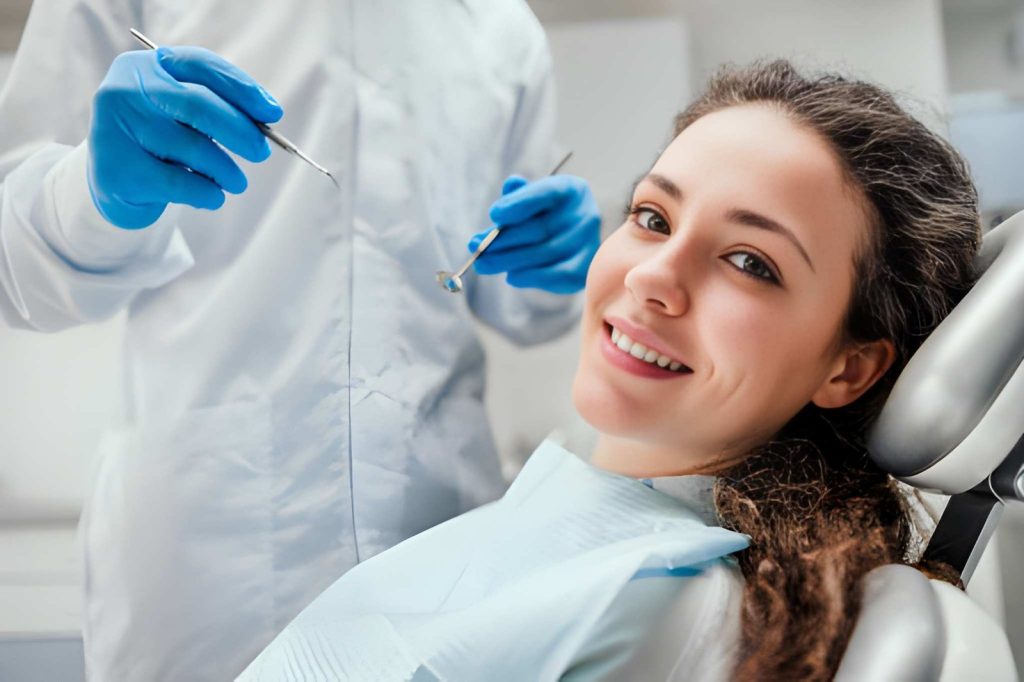
Completing orthodontic treatment is an exciting milestone. Whether you’ve worn traditional braces or clear aligners, seeing your newly aligned smile for the first time can feel incredibly rewarding. After months or even years of treatment, many patients assume the hard work is over. However, there is one crucial phase that often gets overlooked: retention.
For anyone who has invested time, effort, and money into achieving a straighter smile, understanding the importance of retainers is essential. Whether you’re a teenager finishing treatment or someone exploring orthodontics for adults, retainers are the key to protecting your investment and maintaining your results for years to come.
In this guide, we’ll explore why retainers matter, how they work, what happens when they aren’t worn properly, and how they contribute to lifelong oral health.
Understanding What Happens After Orthodontic Treatment
Orthodontic treatment works by gradually moving teeth into better positions. Braces and aligners apply controlled pressure that shifts teeth through the surrounding bone and tissues.
While your teeth may appear stable once treatment is complete, the structures supporting them are still adapting.
After tooth movement occurs:
- Bone tissue must remodel around the teeth.
- Periodontal ligaments need time to stabilize.
- Soft tissues continue adjusting to the new positions.
- Natural forces inside the mouth influence tooth movement.
Without proper retention, teeth can begin shifting back toward their original positions. This phenomenon is known as orthodontic relapse.
Retainers are specifically designed to prevent this relapse and help ensure long-term stability.
Why Teeth Naturally Want to Move
Many patients are surprised to learn that teeth are never completely fixed in place.
Throughout life, teeth experience constant pressure from:
- Chewing
- Speaking
- Swallowing
- Tongue movement
- Facial muscles
- Natural aging processes
Even people who have never had orthodontic treatment experience gradual tooth movement over time.
After braces or aligners reposition teeth, these natural forces continue to act on the teeth. Without retention, the likelihood of shifting increases significantly.
This is one reason why orthodontists emphasize retainer wear so strongly after treatment completion.
The Science Behind Retainers
Retainers function by holding teeth in their corrected positions while surrounding tissues stabilize.
The retention phase allows:
- Bone remodeling to finish
- Ligaments to adapt
- Bite relationships to settle
- Teeth to maintain alignment
Think of orthodontic treatment as planting a tree. Even after placing the tree in the ideal location, support structures are needed until its roots become firmly established. Retainers serve a similar purpose for your teeth.
Without that support, movement can occur surprisingly quickly.
Orthodontic Relapse: A Common Problem
One of the biggest misconceptions patients have is that orthodontic treatment results are permanent without maintenance.
In reality, relapse is common when retainers are neglected.
Signs of orthodontic relapse include:
- Crowding returning
- Small gaps reopening
- Bite changes
- Teeth appearing crooked again
- Difficulty fitting into an old retainer
Relapse may occur gradually, making it difficult for patients to notice until significant movement has occurred.
By the time visible changes appear, correction may require additional orthodontic treatment.
Why Retainers Are Especially Important for Adults
Adult orthodontic treatment has become increasingly popular in recent years.
Many adults seek treatment to:
- Improve confidence
- Correct bite issues
- Enhance oral health
- Address shifting teeth from earlier treatment
Patients pursuing orthodontics for adults often have unique concerns about maintaining their results.
Adult teeth may be more prone to certain types of movement because:
- Bone density changes with age
- Natural crowding increases over time
- Existing dental work can affect alignment
- Bite forces accumulate throughout life
As a result, long-term retainer wear is particularly important for adult patients.
The Cost of Not Wearing Retainers
Patients sometimes stop wearing retainers because they feel treatment is complete.
However, failing to wear retainers can lead to:
- Tooth crowding
- Gap formation
- Bite problems
- Cosmetic concerns
- Additional orthodontic expenses
A replacement retainer is significantly less expensive than repeating orthodontic treatment.
Retainers help protect one of the most valuable investments patients make in their oral health.
Retainers and Invisalign Treatment
Patients who complete clear aligner therapy also require retention.
Whether someone receives treatment through Invisalign Logan, Utah providers or traditional braces, retention remains equally important.
Many Invisalign patients mistakenly assume aligners permanently solve alignment issues.
In reality:
- Teeth can still shift.
- Relapse remains possible.
- Retainers are necessary.
The retention phase is an essential component of every successful aligner treatment plan.
Why Some Teeth Shift Faster Than Others
Certain teeth are more susceptible to movement after treatment.
Lower front teeth are especially prone to relapse because:
- They occupy a small area
- Tongue pressure affects them constantly
- Natural crowding often develops with age
This explains why many adults notice increasing lower crowding over time, even if they previously had orthodontic treatment.
A retainer helps prevent these common changes.
Signs You Need a New Retainer
Retainers do not last forever.
You may need a replacement if:
- The retainer cracks
- It no longer fits properly
- It becomes warped
- Excessive wear develops
- It is lost
Regular orthodontic checkups can help identify when replacement is necessary.
The Role of Regular Follow-Up Visits
Even after active treatment ends, periodic follow-up appointments remain valuable.
These visits allow orthodontists to:
- Monitor stability
- Evaluate retainer condition
- Address concerns early
- Prevent relapse
A trusted orthodontist in Providence, Utah, can help ensure your smile remains healthy and aligned for the long term.
Retainers and Long-Term Confidence
Many patients pursue orthodontic treatment to improve confidence.
A straighter smile often contributes to:
- Better first impressions
- Increased self-esteem
- Greater willingness to smile
- Enhanced professional confidence
Retainers help preserve these benefits.
Without retention, gradual shifting can reduce the results patients worked hard to achieve.
Why Orthodontists Stress Retainer Compliance
Orthodontists have seen countless examples of relapse caused by inconsistent retainer wear.
For this reason, retention instructions are taken seriously.
A skilled orthodontist in Providence understands that retention is not an optional phase—it is a critical component of successful treatment.
The goal is not simply to straighten teeth temporarily but to maintain alignment for life.
Retainers After Braces
Patients completing treatment with braces from Providence Orthodontic Providers often feel excited to remove their appliances.
However, braces removal marks the beginning of retention.
Without retainers:
- Teeth may shift quickly.
- Alignment can deteriorate.
- Treatment outcomes may be compromised.
Retainers ensure that the improvements achieved through braces remain stable.
The Psychological Value of Protecting Your Investment
Orthodontic treatment requires:
- Time
- Financial commitment
- Lifestyle adjustments
- Consistent appointments
Retainers help protect all of these investments.
Spending a few minutes each day wearing a retainer is a small effort compared to repeating months or years of treatment.
Patients who understand this perspective are often more motivated to maintain their retention routines.
Modern Retainers Are Easier Than Ever
Advancements in orthodontic technology have made retainers more comfortable and convenient.
Today’s retainers often feature:
- Improved materials
- Better durability
- Enhanced aesthetics
- Greater comfort
Patients can easily incorporate retainer wear into their daily routines with minimal disruption.
Your smile deserves lifelong protection. Contact our office today to schedule a consultation and ensure your retainer is keeping your teeth exactly where they belong.
Final Thoughts
Retainers may not receive the same attention as braces or clear aligners, but they are one of the most important components of orthodontic treatment.
Without retention, even the most successful orthodontic results can gradually disappear. Teeth naturally move throughout life, and retainers provide the stability needed to preserve alignment and protect your investment.
Whether you’ve recently completed treatment or are considering orthodontics for adults, understanding the importance of retainers can help you maintain a healthy, confident smile for decades to come.
Frequently Asked Questions
1. Why are retainers necessary after orthodontic treatment?
Retainers help keep teeth in their new positions while supporting tissues stabilize. Without retainers, teeth can gradually shift back toward their original alignment.
2. How long do I need to wear my retainer?
Most orthodontists recommend lifelong retainer wear, typically transitioning to nighttime use after the initial full-time retention period.
3. What happens if I stop wearing my retainer?
Teeth may begin shifting, causing crowding, spacing, or bite changes. Significant relapse may require additional orthodontic treatment.
4. Are retainers important after Invisalign treatment?
Yes. Retainers are essential after Invisalign just as they are after braces. They help preserve the alignment achieved through clear aligner therapy.
5. How often should I replace my retainer?
Replacement timing depends on wear and condition. If your retainer becomes damaged, warped, cracked, or no longer fits correctly, consult your orthodontist about obtaining a new one.